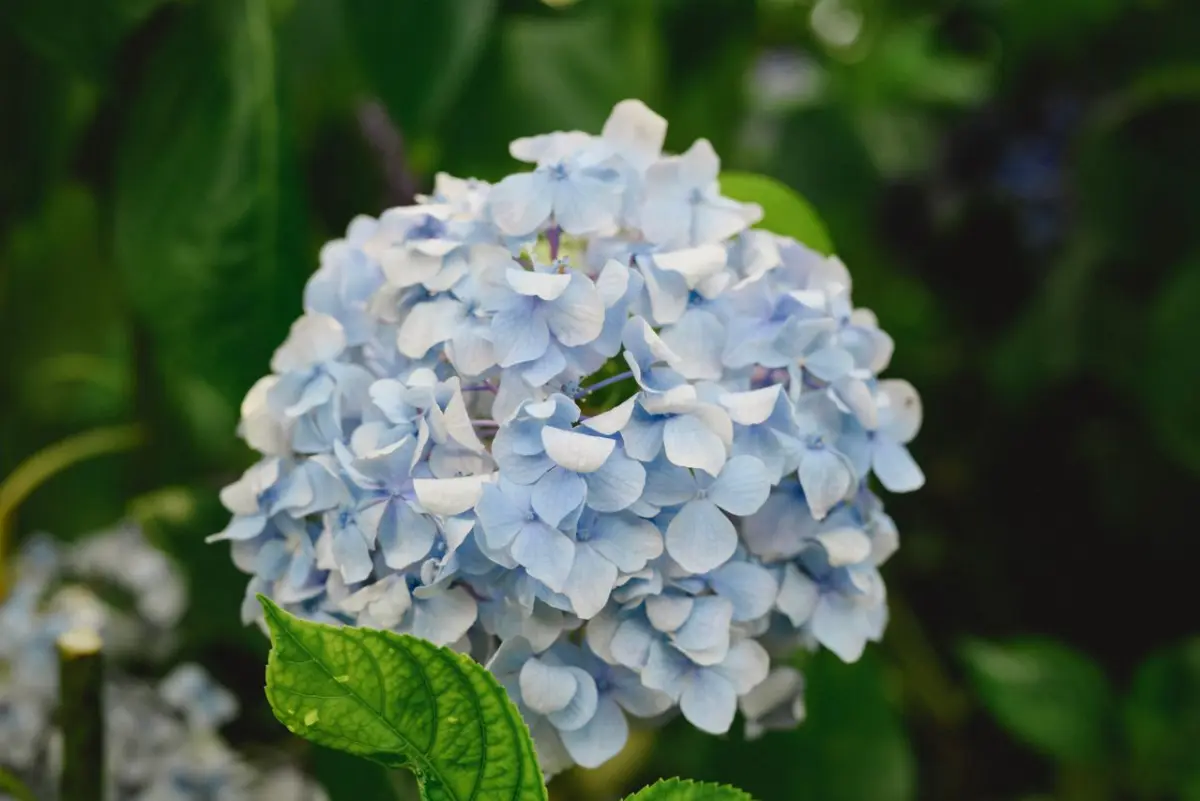
Whether to prune hydrangeas before winter or wait until spring depends on their type: getting the timing wrong could cost you flowers next summer, although the plant itself won’t die as a result, according to Southern Living.
All hydrangeas are divided into two groups. The first group blooms on last year’s growth. This group includes large-leaved, oak-leaved, and climbing hydrangeas, which form buds for future blooms as early as summer. The second group, which includes tree hydrangeas and panicle hydrangeas, produces flowers on this year’s new growth.
A mistake in timing isn’t fatal for the shrub, but the consequences for blooming depend on the species.
“The good news is that hydrangeas are very forgiving when it comes to pruning and will recover beautifully, even if you prune them at the wrong time. The bad news: depending on the type of hydrangea, you might end up without flowers for the season,” notes Dillon.
Hydrangeas that bloom on last year’s growth should be pruned immediately after flowering ends, usually by early August. This allows the plant time to form buds for the following year. In the fall, it’s best not to touch these hydrangeas: you should only remove stems that are completely dry, with no green tissue beneath the bark.
For panicle and tree hydrangeas, the timing is more flexible: they can be pruned from early fall through early spring. Dillon, however, advises taking your time.
“I recommend waiting until late winter or early spring, because the dried-out flower clusters add beauty to the garden in winter,” she emphasizes.
How to Identify the Type and How Much to Cut
You can identify the type of hydrangea by its stem. Last year’s wood is darker, brown, and stiff, while young shoots are greener and more flexible. Hydrangeas that bloom on old shoots should not be cut back to the ground. To reduce the size of the shrub, simply trim it back by one-third. A tree-form hydrangea that has grown unpruned for several seasons can be radically pruned back almost to the ground in the spring.
Experts at the University of Maryland specifically highlight the repeat-flowering varieties of large-leaved and serrated hydrangeas, which bloom on both old and new shoots. These should be pruned in early spring or after the first wave of blooming. In general, experts advise against pruning shortly before winter dormancy, according to the University of Maryland Extension.
Why It’s Best to Wait Before Reaching for the Shears
Gardener Ryan Makininen of Baylie Nurseries warns that large-leaved hydrangeas already form flower buds in the fall, so they shouldn’t be pruned at this time, writes Martha Stewart.
“Put away your pruners if you want to see flowers!” says Mäkinen.
He also recommends pruning panicle hydrangeas in late winter or early spring. Dried flower heads not only beautify the garden but also provide shelter for insects during the cold months. Traditional varieties of tree hydrangeas, such as Annabelle, can be pruned as early as fall to make spring yard cleanup easier. Instead of pruning, Lorraine Ballato, author of *Success With Hydrangeas*, suggests adding compost or mulch around the bushes and checking the leaves for spots, which may indicate fungal diseases.