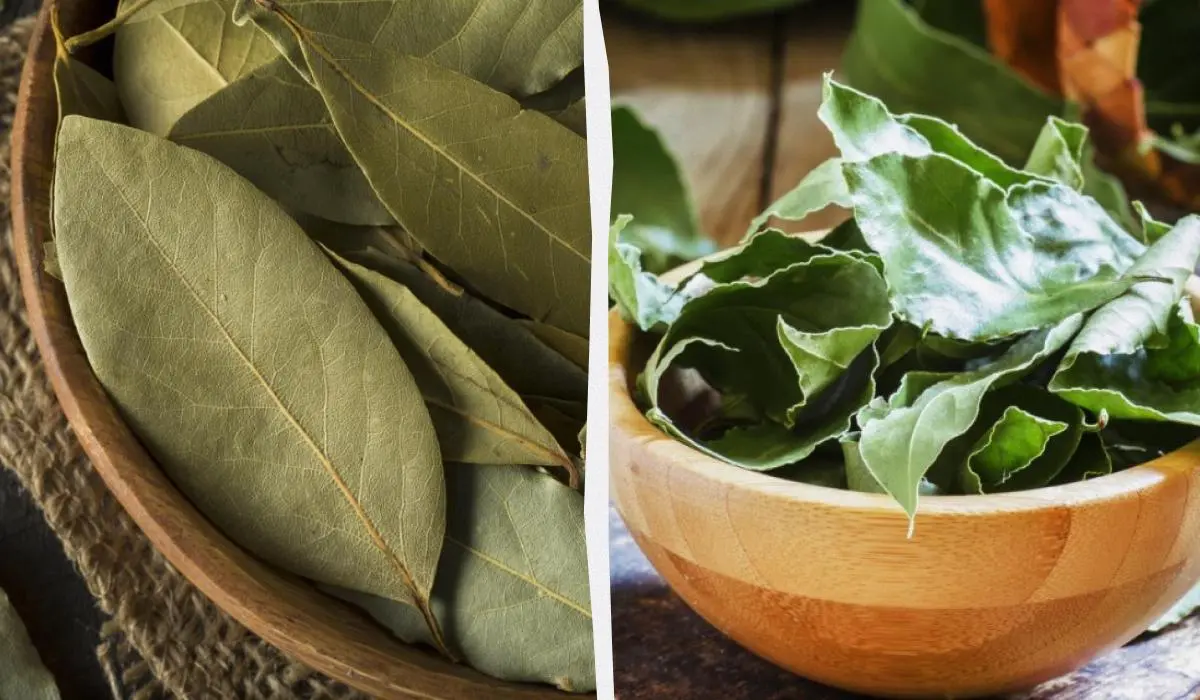
One or two dry bay leaves in a container of wheat or corn flour can help protect food from pantry pests and reduce food waste. This is a simple and inexpensive method, but it is effective only when used correctly and under proper storage conditions, according to lovedeco.ro.
The bay leaf (Laurus nobilis) contains essential oils, including eucalyptol (cineole), linalool, pinene, and terpineol. These volatile compounds are gradually released into the container, making the environment less attractive to flour beetles, weevils, and food moths. These pests often find their way into the pantry along with purchased food items that already contain invisible eggs or larvae.
The effect of dried leaves is much less predictable than that of concentrated oil, so this method should be considered only as an additional preventive measure. It does not destroy eggs and larvae already present in the flour and does not guarantee complete protection.
For 1–2 kg of flour, it is recommended to place one or two whole, well-dried leaves; for larger quantities, use three to five. Fresh leaves add moisture, so they are not suitable. The leaves should be replaced approximately every three to four months or when they lose their scent. It’s best not to store sugar, cocoa, tea, and dessert flour this way, as they absorb the scent of bay leaves.
What Research and Entomologists Say
Laboratory data on the insecticidal effect of bay leaves specifically pertain to the essential oil. Scientists at Punjab Agricultural University in India tested it against the red flour beetle (Tribolium castaneum), a grain pest. The strongest effect was observed at a concentration of 12 mg per 1 g of grain, and the effect depended on the dose and duration of exposure. The polar fraction of the oil caused 100% mortality of adult beetles by the 30th day, and the eugenol isolated from it eliminated all insects by the 33rd day, according to a study in the *Journal of Applied and Natural Science*.
American entomologists are skeptical about the household use of bay leaves. Eric Benson, professor emeritus at Clemson University, advises against relying on home remedies.
“There are no reliable studies showing that bay leaves or essential oils, such as lemon oil, repel these pests, nor will they eliminate pests that are already present in food,” Benson emphasizes, as quoted by Southern Living.
The best protection is airtight containers
The most effective way to prevent insects from appearing is to store flour in glass jars or in sturdy food-grade plastic containers with seals. Pests can chew through paper, cardboard, and thin plastic bags. Store food in a cool, dry, and dark place, and avoid buying large quantities at once.
To be on the safe side, freshly purchased flour can be stored in the freezer at minus 18 °C for at least four days: the cold kills any eggs, larvae, and insects. If you notice beetles, larvae, fine cobwebs, or clumps in the product, discard it, check your other supplies, vacuum the shelves, and wash them with warm water and detergent.