
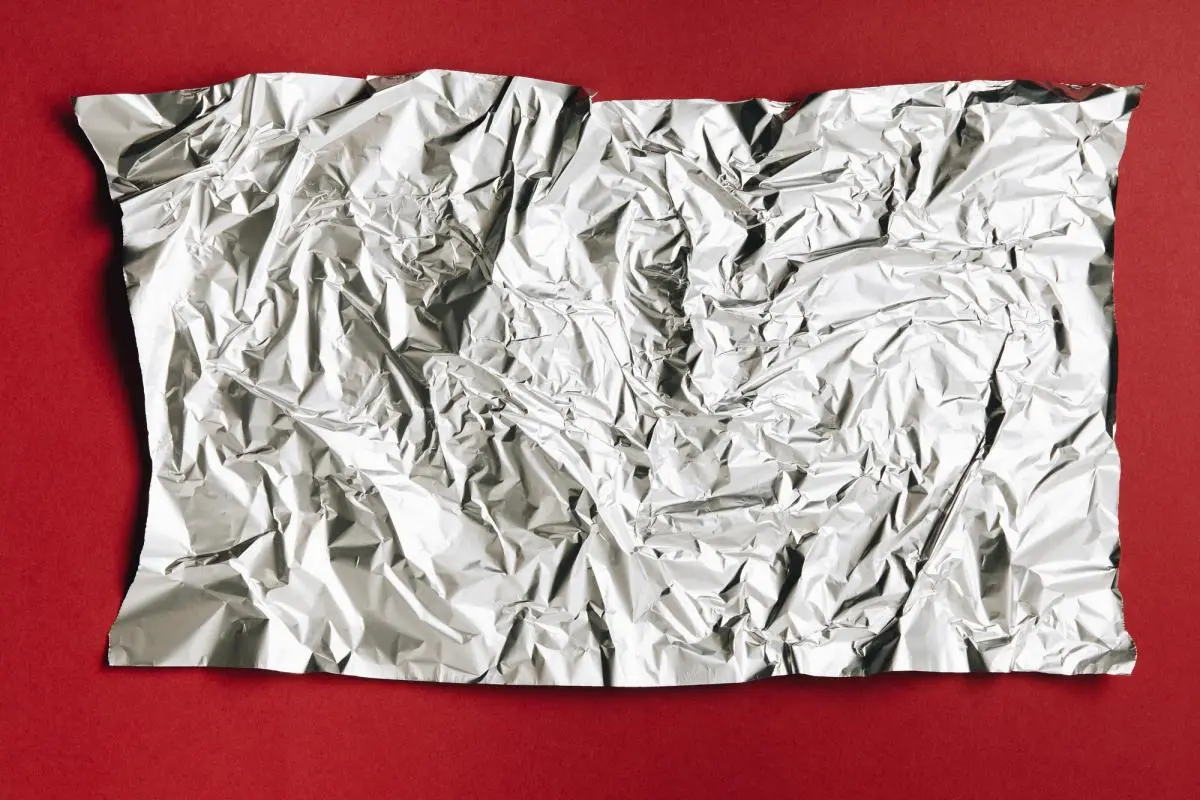
Wrapping cash in aluminum foil can protect banknotes stored at home for months or years from moisture, dust, and other external factors, according to El Cronista.
Many people keep their savings at home in case of emergencies. However, during long-term storage, the paper can deteriorate due to moisture, dust, and light.
The protective effect is attributed to the properties of the metal. A solid sheet of foil is virtually impermeable to water vapor, so tightly wrapped, dry bills come into less contact with moist air. In addition, a thin oxide film forms on the surface of the aluminum, which protects the metal itself from corrosion.
This method is suitable when money is stored for long periods in drawers, safes, filing cabinets, or containers, as well as in places where dust and fluctuating conditions are possible. The best results are achieved by combining foil with airtight bags or suitable containers.
The main requirement: the bills must be completely dry before wrapping. Otherwise, the foil will trap moisture inside.
What Damages Banknotes
Researchers from Kyiv Polytechnic Institute and the National Bank of Ukraine, who studied the wear and tear of hryvnia banknotes, identify mechanical, chemical, thermal, and electromagnetic factors that reinforce each other’s effects. In particular, exposure to light accelerates the oxidation of cellulose fibers. Microorganisms, primarily fungi, use the paper substrate for growth and release organic acids, which cause the image to fade and alter the paper’s structure.
Cool, Dry, and Dark
The Bank of Canada Museum recommends storing banknotes in a cool, dry place where conditions remain stable, and avoiding areas with sudden fluctuations in heat, cold, or humidity.
“Ideally, conservators recommend a temperature of 18 to 22 degrees Celsius and a relative humidity of 45–50%. Most well-insulated homes stay at the upper end of the ideal humidity range, but stability is more important than ideal temperature and humidity,” notes the Bank of Canada Museum.
Banknotes are damaged by chemicals, car exhaust, and paint or glue that hasn’t dried yet. Even some types of wood release acidic compounds, so harmful gases accumulate in drawers and boxes made of oak, cedar, particleboard, or plywood. It is also recommended to store banknotes in a dark place and not to display them in a frame in a sunny room.