
Winter garlic can be planted without treating the cloves, provided the planting material is healthy. The timing of planting and the removal of the flower stalk are crucial for the yield: if left on the plant, it reduces the yield of bulbs by about 25%, according to Deccoria.
The publication recommends planting garlic in November, but in a warm fall, wait until mid-month. Roots develop best at temperatures between 0 and 10°C, so the cloves have time to take root but do not produce leaves. It takes about six weeks for the roots to establish before the first sustained frosts. Plants planted in October often have time to grow in the fall, and frost can easily damage them. Planting after mid-November risks poor rooting and a thick neck on the bulb, through which rot-causing bacteria can penetrate.
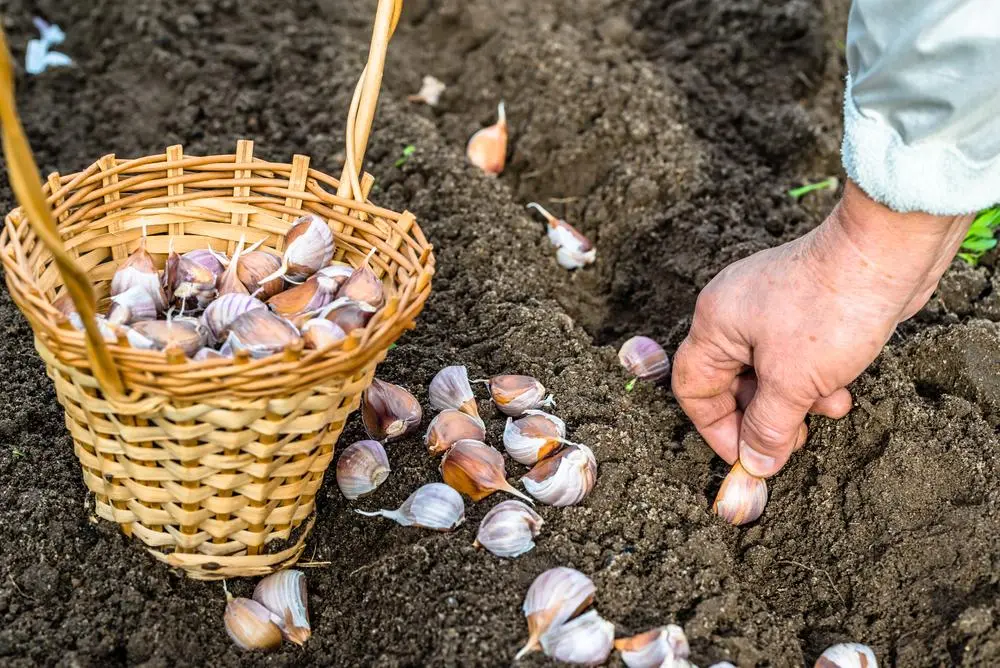
Seed treatment is ineffective against viruses and nematodes transmitted by infected cloves. Therefore, it is recommended to use certified garlic, particularly the Polish varieties ‘Harnaś’ or ‘Ornak’. Divide the heads into cloves on the day of planting and select the largest and firmest ones, weighing 1.5–3 g. Plant them 5–6 cm deep, with a spacing of 7–15 cm within the row and 20–25 cm between rows.
Is November Too Late?
American experts also consider November an acceptable time for planting. Matthew Brent Orban, co-owner of Stonebridge Garlic, emphasizes that in Pennsylvania and regions with a similar climate, planting in the first half of the month can be successful.
“Garlic is very hardy, and the most important thing is to give the cloves enough time to take root before the ground freezes. Even if you’ve missed the ideal time, I’d rather plant late than miss the season altogether,” Orban says. According to him, spring planting is also possible, but the bulbs will be smaller and the yield will be lower than with fall planting, reports The Spruce.
The optimal timing may vary by season. Researchers at the University of Missouri compared spring planting with four different fall planting dates. In 2016–2017, garlic planted in September and early October yielded the highest harvest. In 2017–2018, plantings in mid-October and early November produced the best results. The authors concluded that fall planting is preferable, although spring planting can also yield a profitable harvest, according to an article in HortTechnology.