
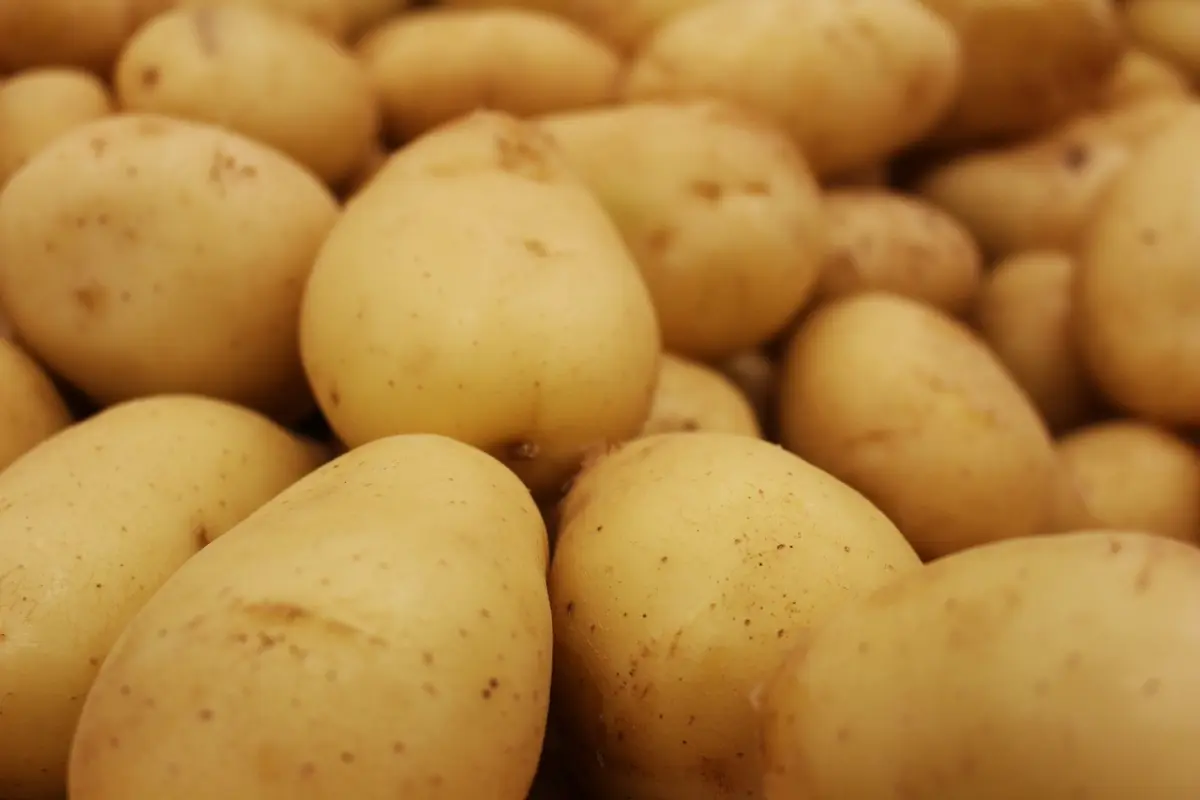
Just one mistake when storing potatoes—specifically, the wrong temperature or humidity—can cause the tubers to sprout, wilt, or rot, and then they have to be thrown away. The optimal conditions for a cellar or storage room are 4 to 8 °C and 85–95% humidity, according to Interia.
If the temperature is too low, starch breaks down into simple sugars: the potatoes become noticeably sweeter and darken when fried. If the storage area is warmer than 8 °C, the tubers begin to sprout.
At humidity levels below 80%, water evaporates excessively from the potatoes: they wither, shrivel, and develop a spongy texture. At levels above 95%, the risk of mold, fungi, and bacterial diseases increases.
Equally important are the containers in which the potatoes are stored and the ventilation of the storage area.
“Wooden crates with ventilation holes, breathable jute bags, or cardboard boxes that allow air to circulate freely are best suited. Potatoes should not be stored in tightly sealed plastic bags, where moisture easily accumulates and the quality of the tubers deteriorates,” emphasize experts from the farmer.pl service.
Excessive daylight or artificial lighting is also harmful to potatoes: it stimulates the production of chlorophyll and toxic solanine.
When Sprouts Aren’t a Problem
A few small sprouts do not render a potato unfit for consumption if the tuber remains firm and elastic. They should be removed, and the skin should be peeled off in a thick layer. If there are many sprouts, it is safer to discard the potato.
You should avoid potatoes with green spots under the skin, even if they have no sprouts. The green parts contain solanine, a natural toxin from the glycoalkaloid group, so eating such a potato is hazardous to your health.
How to Save the Flavor of Overchilled Potatoes
Cynthia Domenghini, a horticulture expert at Kansas State University, recommends storing potatoes in a cool garage or basement at a relative humidity of about 90% and a temperature of 40–45 °F (approximately 4–7 °C). In a colder place, the potatoes won’t spoil for a long time, but the starch in them turns into sugars, and the flavor changes, according to K-State Research and Extension.
“If this happens in your storage area, let the potatoes sit at room temperature for 2–3 days before eating, and the desired flavor should return,” Domengini notes.
To prevent the potatoes from becoming soft or shriveled due to dry air, the expert recommends storing them in perforated plastic bags: this helps maintain higher humidity.