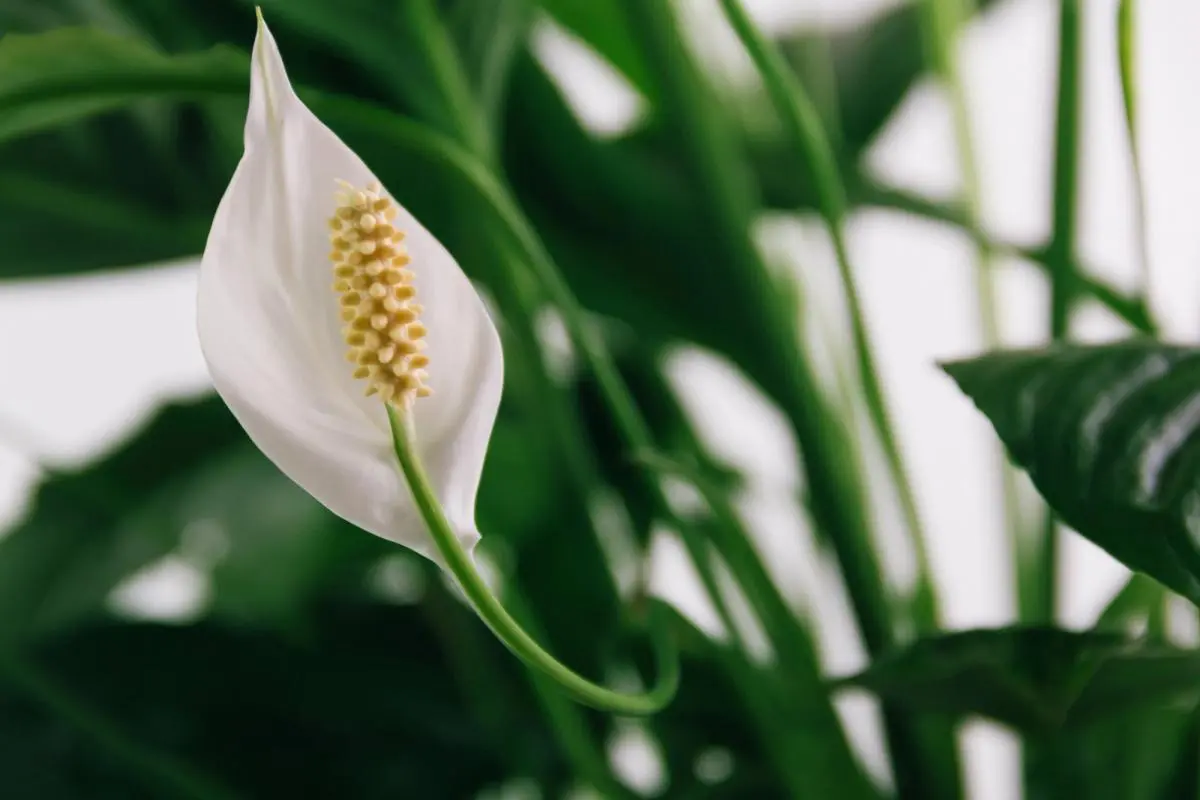
A spathiphyllum that hasn’t bloomed in a long time can be fertilized with a free fertilizer made from wood ash. To do this, simply dissolve one spoonful of sifted, clean ash in 1 liter of warm boiled water, let the solution cool to room temperature, stir, and water the plant. This fertilization should be done no more than once a month, according to Deccoria.
Wood ash contains potassium, calcium, phosphorus, and trace elements, but it does not contain nitrogen. Potassium is the most important nutrient for spathiphyllum: it regulates water balance, which affects leaf turgor, and promotes the formation of flower buds. Phosphorus helps form a strong root system, making it easier for the plant to absorb water and minerals.
Instead of a solution, you can sprinkle a thin layer of dry ash over the soil in the pot once a month, mix it lightly with the soil, and water with clean water. Do not overdo it with fertilizer: ash raises the pH of the soil, and spathiphyllum prefers soil with a pH of 5.7–6.8. Therefore, it is recommended to alternate ash with natural fertilizers that slightly acidify the soil, such as coffee grounds.
Ash is no substitute for light
Fertilization does not guarantee flowering. If the plant lacks light or moisture, it will not produce buds. Spathiphyllum needs bright, diffused light, a temperature of 18–24°C without drafts or heat from radiators, high humidity, and soil that is consistently slightly moist. Wilted flower clusters should be cut off at the base to encourage new ones to form.
The Royal Horticultural Society emphasizes that most often, spathiphyllum fails to bloom due to insufficient light: the plant can survive in deep shade, but it rarely blooms. Experts also advise watering it with rainwater or filtered water, as fluoride in tap water can damage the leaves. They recommend applying a liquid, balanced fertilizer once every few weeks from April through October, according to the RHS.
Why There May Be No Flowers in Winter
Indoor spathiphyllums usually bloom in the spring and summer, and a single inflorescence lasts a month or two. Florist David Denier of Eflorist urges people not to worry about the lull during the cold season.
“Don’t panic if you don’t see any growth during the winter months, because that’s when the plants slow down,” Denier notes, according to Tom’s Guide.
The expert also warns about a common mistake regarding the plant’s placement: many owners put it right up against a window, hoping to provide more light.
"One of the biggest mistakes people make when caring for a spathiphyllum is placing it near windows and vents. Although you might think a spathiphyllum would enjoy the light right by the window, exposure to cold drafts actually harms the plant’s health,” Denier emphasizes.