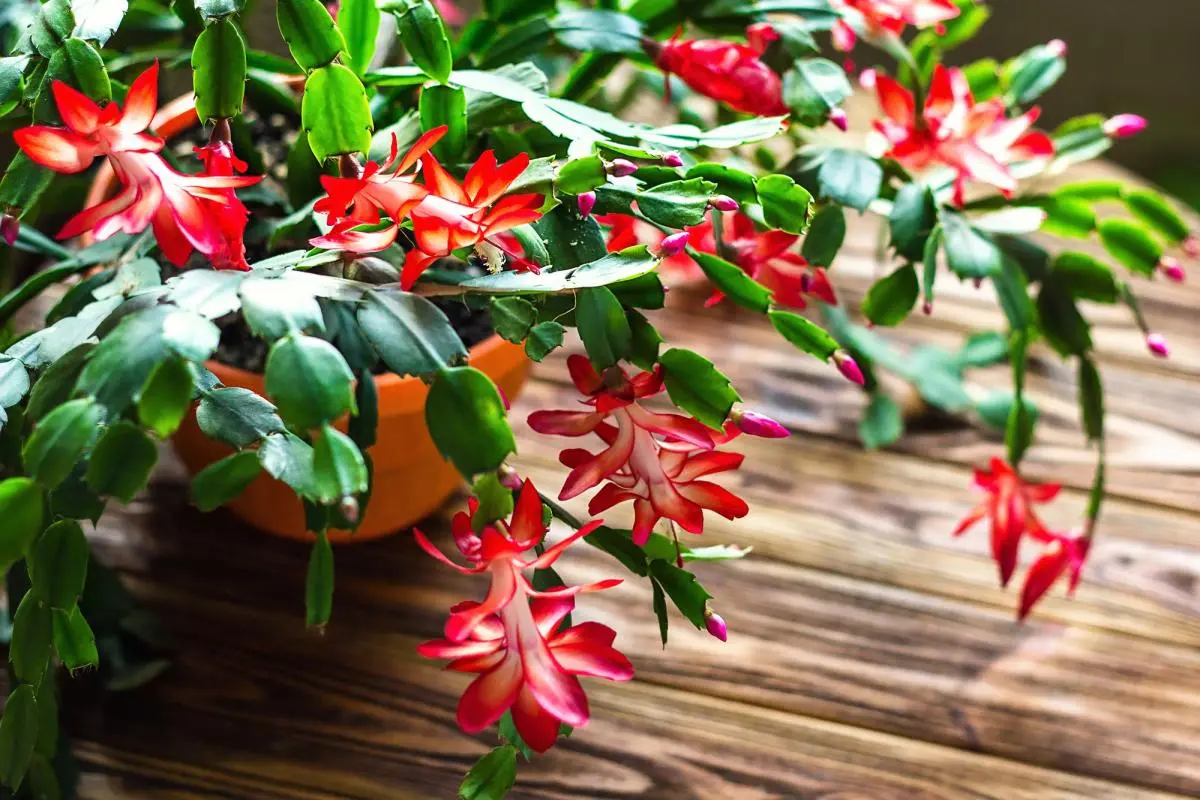
You can occasionally water a Decembrist, or Schlumbergera, with a weak black tea infusion to support the plant during its winter blooming period. However, this remedy is not a substitute for a complete fertilizer for flowering plants and does not guarantee the appearance of new buds, according to Wprost.
To prepare the solution, steep one black tea bag or a teaspoon of dried leaves in 500 ml of hot water without sugar, honey, or other additives. Let the infusion cool completely and dilute it with clean water in a 1:1 ratio. Use this liquid to water the plant from time to time instead of regular water.
Avoid using a strong infusion, and do not repeat the procedure every week: excessive experimentation with homemade fertilizers can damage the roots and cause mold to grow. It is also not recommended to pour vegetable cooking water, banana peel infusion, yeast, or wood ash into the pot. The safest option remains fertilizer for cacti or flowering plants, which should be used according to the manufacturer’s instructions.
Why Does the Decembrist Drop Its Buds?
If there are many buds, stable conditions are more important than additional fertilization. The plant needs a bright spot without direct sunlight, a temperature of 15–20 °C, and should be kept away from hot radiators. Once buds appear, do not move or rotate the pot, as sudden changes in conditions cause the plant to drop them. Standing water in the saucer is also harmful, as it leads to root rot.
Flowering is triggered by cooler temperatures and shorter daylight hours. To achieve this, the Decembrist needs about 12.5–14 hours of continuous darkness each night, notes certified horticulturist Leslie Hallack in a comment for Real Simple.
“If the plants receive artificial light in your home for too long, they may not bloom. In the fall, place them in a completely dark room or closet overnight for a few weeks if the rest of your home is lit for too long,” Hallack advises.
At the same time, the plant needs bright light during the day. Unshaded east-facing windows are best, and the pot should be moved a few dozen centimeters away from south-facing windows. “Dark rooms or corners are not suitable for the Decembrist,” the expert emphasizes.
The speed at which the flowers bloom also depends on the temperature. In a study of a closely related species, Schlumbergera truncata, the time from bud formation to flowering was reduced from 100 to 52 days when the average daily temperature rose from 12 to 20 °C. A further increase to 24 °C did not alter this timeframe, according to a review published in the journal HortTechnology.