
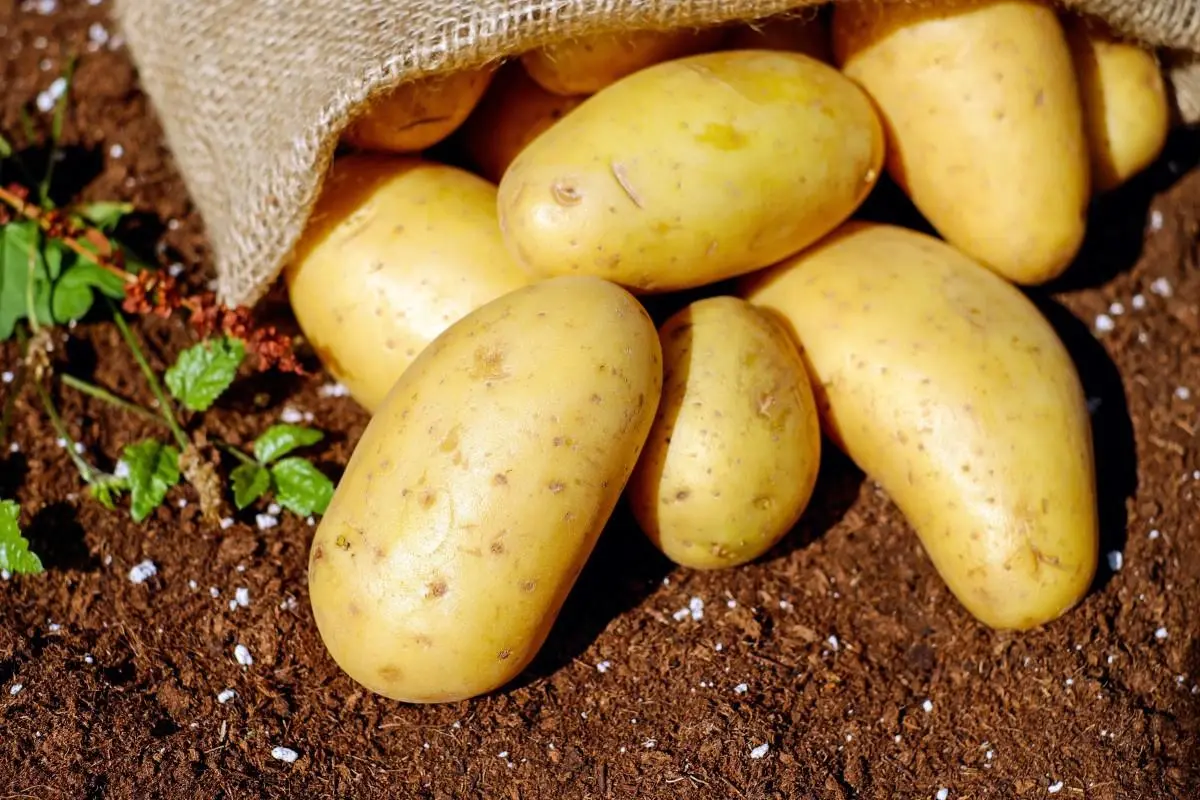
Greening of potato skins is a warning sign: the conditions under which the tubers turn green promote the accumulation of toxic glycoalkaloids, primarily α-solanine and α-chaconine. Heat treatment does not guarantee their complete removal from heavily greened tubers, so it’s best not to try to “save” such a crop by boiling or frying it, according to Zielony Ogródek.
The green color comes from chlorophyll, which forms when the tubers are exposed to light, both in the garden and after being dug up. Chlorophyll itself is not toxic, but it is not an accurate indicator of the presence of harmful compounds. These compounds may be more concentrated in sprouts, damaged areas, and directly beneath the skin. Another warning sign is a distinct bitter taste.
If the potato is firm and healthy, and the green spot is small and superficial, you can cut it out generously along with the surrounding flesh, then thoroughly peel the potato and remove any sprouts. Potatoes with extensive green discoloration or green spots that penetrate deep into the flesh, as well as those that are shriveled, bitter, or have long sprouts, should be discarded.
Light and damage reinforce each other
Chinese scientists from Yunnan Province have found that tubers exposed to light accumulate more glycoalkaloids than intact tubers kept in the dark. The concentration of these compounds is also higher at cut sites. Light and damage act synergistically; however, this effect is limited to a layer approximately 3 mm thick from the surface of the wound. An excess of glycoalkaloids causes abdominal pain, gastroenteritis, diarrhea, vomiting, fever, low blood pressure, and neurological disorders, according to the *International Journal of Food Science and Technology*.
American experts warn that cutting off the problematic areas does not provide a complete guarantee of safety.
“This does not remove all the toxin, as it may also be present in the potato flesh. It’s best to throw it away,” emphasizes nutritionist Rahaf Al-Bochi, a spokesperson for the Academy of Nutrition and Dietetics, in a comment to Simply Recipes.
Symptoms of poisoning, including vomiting, diarrhea, headaches, and confusion, can appear within just a few hours.
The Best Protection Is Darkness
For long-term storage, potatoes need darkness, a cool temperature of about 4–7°C without the risk of freezing, and good ventilation. A box by the window, a bright balcony, or a sunny garage are not suitable for this, and a warm kitchen is only suitable for short-term storage. Do not seal the potatoes tightly in plastic bags; instead, use ventilated crates or baskets, and regularly sort through your stock to remove any rotten, shriveled, or sprouted potatoes.
Experts also recommend keeping potatoes away from onions: onions release gases that accelerate the sprouting of the tubers.