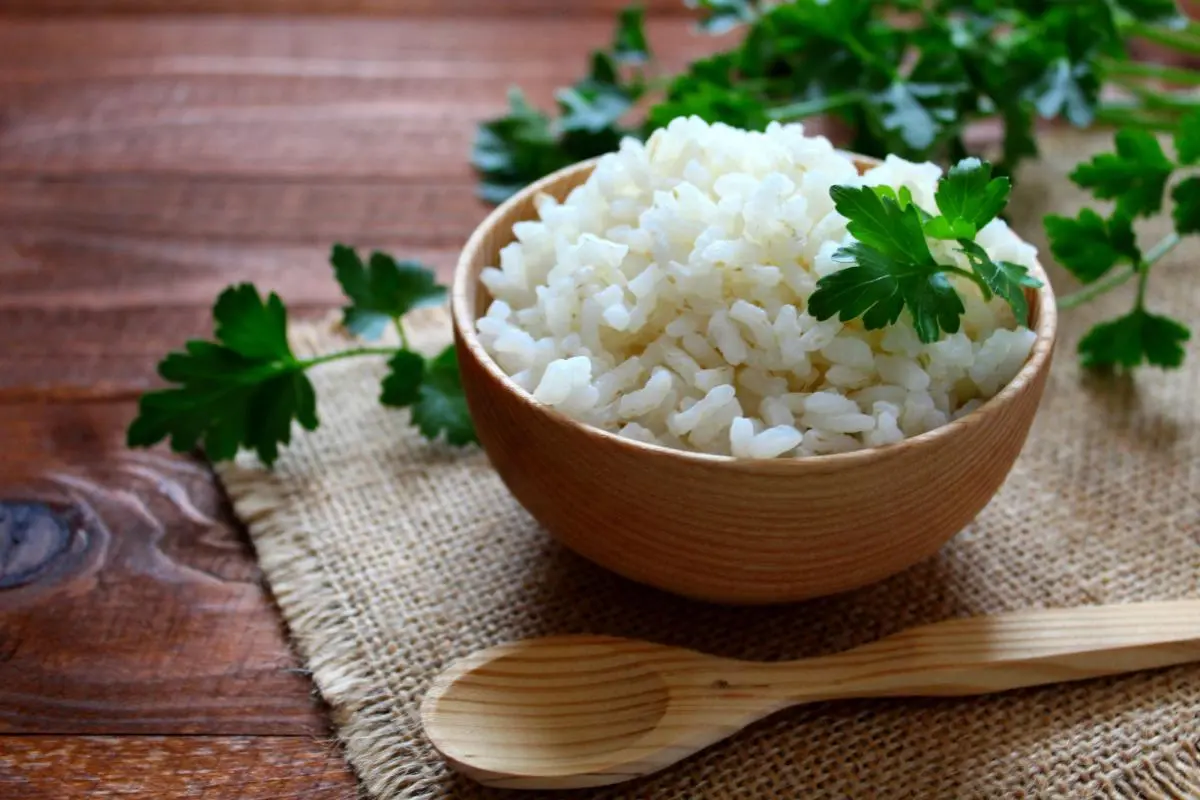
Two tablespoons of lemon juice per glass of long-grain rice allow you to cook a fluffy side dish without butter, vegetable oil, or pre-toasting the grains. This underrated ingredient adds freshness and a slight tang to the dish and prevents the grains from sticking together, according to Ofeminin.
For one glass of rice, you’ll need two glasses of water, two tablespoons of lemon juice, and a pinch of salt. For flavor, you can add a bay leaf or a little black pepper.
Rinse the rice several times in cold water until the water runs clear. Then transfer the rice to a heavy-bottomed pot, pour in hot water, add salt and lemon juice, stir gently, and bring to a boil.
Next, reduce the heat to low, cover the pot with a lid, and cook for 12–18 minutes, depending on the variety and the manufacturer’s instructions. Do not lift the lid or stir the rice while it’s cooking. When the water has been absorbed, remove the pot from the heat, leave it covered for another 10 minutes, and then fluff the grains with a fork.
Long-grain varieties, such as basmati and parboiled rice, yield the best results. Short-grain rice, which is richer in starch, tends to overcook more easily, so it’s better suited for casseroles and desserts. The main rule: don’t use too much water, or even high-quality rice will turn into a sticky mess.
Chefs advise not to skip rinsing
Professional chefs consider rinsing a key step. Chef Dennis Little, founder of Ask Chef Dennis, recommends rinsing long-grain white rice, basmati, and jasmine rice until the water runs mostly clear. This washes away the surface starch from the grains, which is what makes the rice sticky. After that, the rice should be drained well so as not to disrupt the water-to-rice ratio, according to Fox News.
For aromatic varieties, the chef adds one more step to the preparation before placing the pot on the stove.
“What I like best is soaking basmati for about 20–30 minutes before cooking. This helps the grains absorb moisture evenly and can result in longer, more distinct grains with a pleasant, fluffy texture,” notes Littley.
At the same time, experts emphasize that the technique should be adapted to the specific variety. For risotto, the rice isn’t rinsed, since it’s the starch that gives the dish its creamy texture.
The worst thing is undercooked rice
Christine Pittman, founder of the culinary websites COOKtheStory and TheCookful, recommends fluffing cooked rice with a regular table fork: gently lift the grains from the bottom rather than stirring vigorously. If the grains are still hard, she recommends adding a little hot water, covering the pot, and returning it to low heat.
“Overcooked rice is bad, but here’s my bold opinion: undercooked rice is even worse,” Pittman emphasizes.