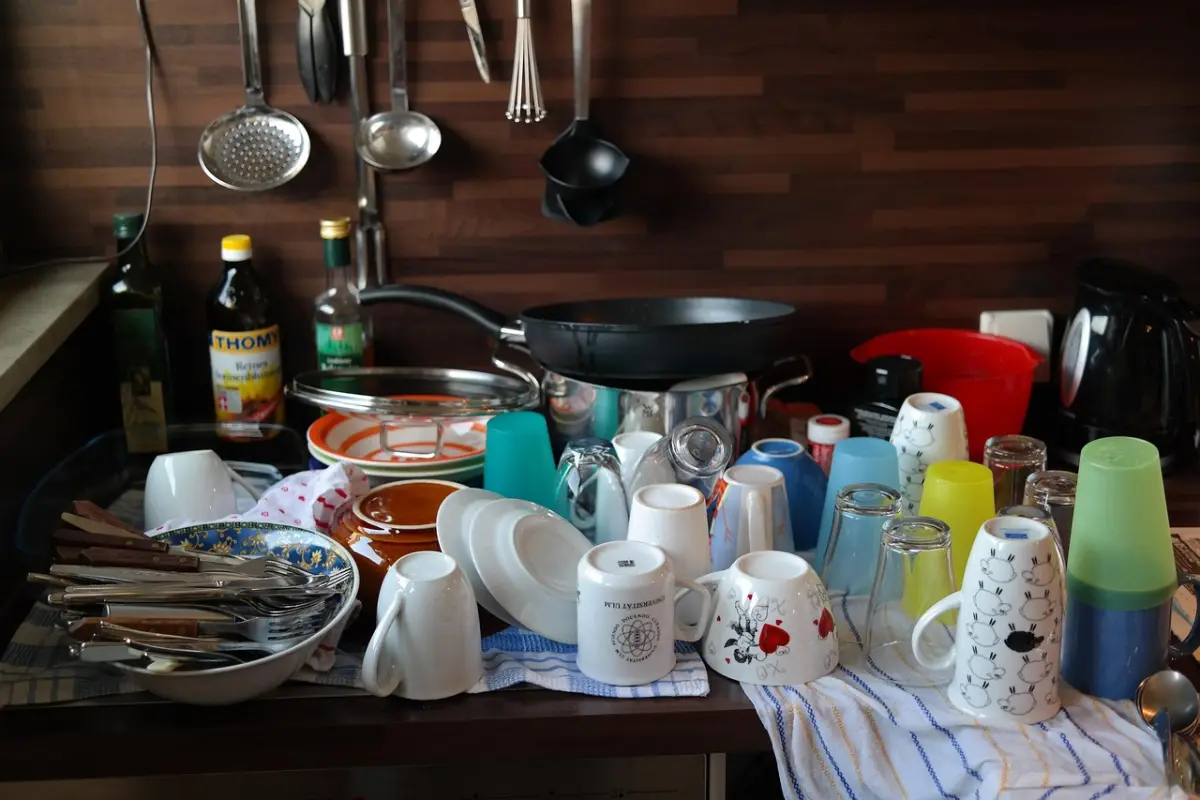
Traditional dish racks, which have stood next to the sink for years, are giving way to foldable and collapsible models made of silicone or stainless steel that simply rest on the sink. This alternative is especially convenient for small kitchens where you have to store a lot of kitchenware, according to the Argentine publication Diario Uno.
Unlike traditional designs, these new accessories are placed directly over the sink basin. Freshly washed plates, glasses, pots, and other utensils are placed on them. Water drains directly into the sink, so the countertop stays dry.
The main advantage of these models is that after use, they can be rolled up or folded and stored in a drawer or cabinet. For apartments with cramped kitchens, where every centimeter counts, this means a clear workspace without any bulky items in sight.
Many models are made of steel rods coated with non-slip silicone. These materials are moisture-resistant and easy to clean, and the accessory itself—if permitted by the manufacturer—can be used as a trivet for hot dishes or for washing fruits and vegetables. The minimalist design, metal surfaces, and neutral colors blend easily into various interior styles.
Before purchasing, measure the width of your sink and make sure the rack fits. You should also choose a sturdy design that can support the weight of your dishes. In kitchens where a lot of kitchenware accumulates, it’s recommended to combine this drying rack with vertical organizers in cabinets, drawer dividers, and additional shelves.
What’s Important for Hygiene
The method used to remove water residue from dishes affects not only convenience but also cleanliness. Myhanh Truong, an engineer at 3M Home Care, believes that air-drying is the best option from both a hygiene and practical standpoint, according to Better Homes & Gardens.
“Once the dishes are washed and placed on the drying rack, you let nature and gravity do their work,” notes Truong.
At the same time, the expert warns against stacking wet plates, as this is when bacteria multiply the fastest. If you don’t have time to wait, she advises wiping the dishes with a clean microfiber cloth, which she considers the best material for this purpose.
“If you have to use a kitchen towel for items that can’t air-dry, try to wash the towels as often as possible—ideally, use a clean one every day. Also, let it dry between uses,” Truong emphasizes.