
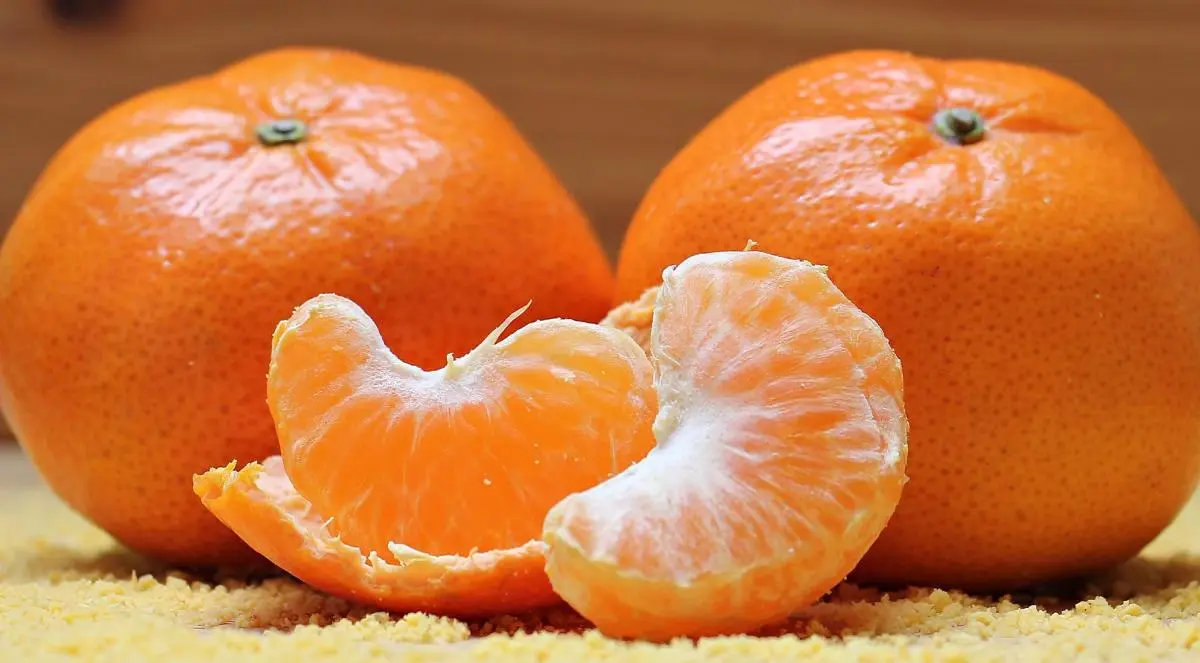
Green leaves on mandarin branches do not guarantee that the fruit is fresh, juicy, or sweet. These citrus fruits, just like regular ones, undergo transportation and storage before they reach store shelves. The leaves can remain green for some time after harvest, according to Interia.
A slightly dried-out leaf also doesn’t mean that the fruit itself has lost its freshness. The taste of mandarins depends primarily on the variety, ripeness, and storage conditions, so fruit without leaves can be just as sweet—and sometimes even tastier.
Shoppers do not consider the leaves to be a significant advantage. In a study published in 2021 in the scientific journal *Foods*, fresh leaves made the fruit more appealing to only a portion of the participants. Therefore, if mandarins with leaves are more expensive, it’s worth comparing them to fruit sold by weight: those may be just as tasty and cheaper.
What to Look for Instead of Leaves
Before buying, it’s recommended to pick up a few mandarins and compare them. Fruits that feel heavy for their size are usually juicier, while very light ones may have dried-out flesh, even if they look flawless on the outside.
The skin should be firm, free of mold, deep damage, and soft, sunken spots. A severely wrinkled surface may indicate moisture loss. It’s also worth paying attention to the smell near the stem: a pleasant citrus aroma is a good sign, but it’s best to avoid mandarins that smell fermented or musty.
Don’t rely solely on a deep orange color. It depends not only on ripeness but also on the variety and the temperature during cultivation. A mandarin with small green spots may be perfectly ripe, since sweetness is determined primarily by the ratio of sugars to acids in the flesh.
Australian fruit merchant and chef Thanh Chiong uses a similar method. According to him, the perfect mandarin should be juicy, sweet, and slightly tart.
“My technique for choosing a great mandarin is the same as for oranges: take two mandarins of similar shape and size and weigh them both in your non-dominant hand. The heavier one will have more juice and be less dry,” Chiong advises in an interview with ABC News.
Chiong is convinced that this is a more reliable indicator than how tightly the peel adheres to the flesh. The fruits become looser over time, but for most of the season, they taste almost the same. He recommends keeping store-bought mandarins in the refrigerator: they’ll last about a week there—shorter than oranges—because they have thinner, more permeable skin.