
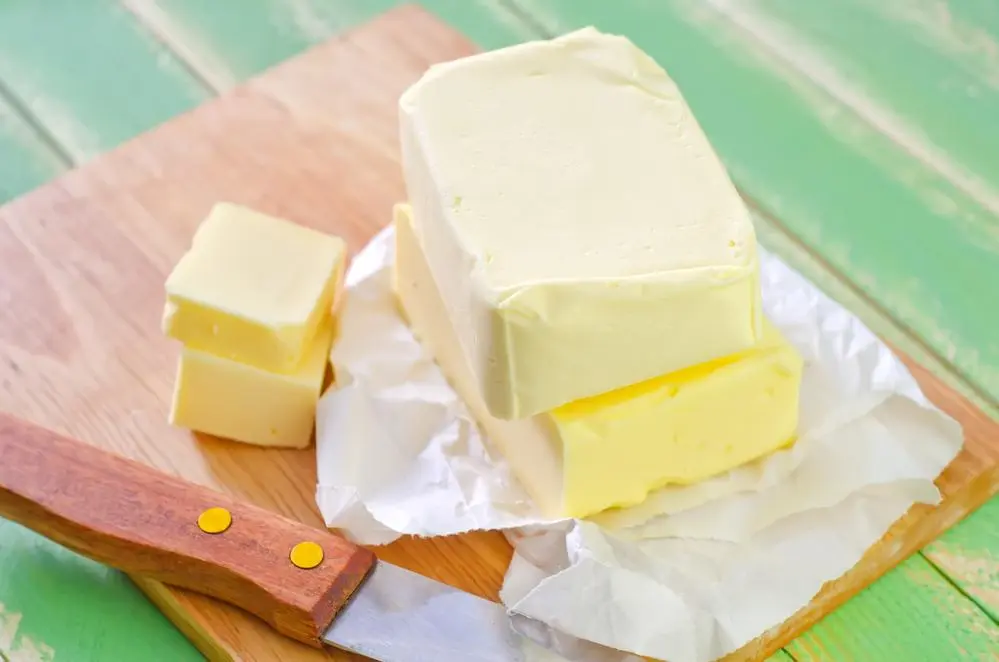
The best place to store butter in the kitchen isn’t the refrigerator or the countertop, but a cool, dark lower cabinet away from the oven, stovetop, and windows. The temperature there is more stable, and the darkness protects the butter from spoiling, according to Grazia.
Butter is sensitive to temperature fluctuations, light, and oxygen. On the countertop, it softens quickly as soon as the kitchen gets warm, oxidizes more easily when exposed to air, and loses its flavor. In the refrigerator, on the other hand, it hardens, becomes difficult to spread, and may absorb odors from poorly packaged foods.
The type of container plays an important role. Experts recommend using an opaque or ceramic butter dish with an airtight lid that protects against light and limits contact with air. You should only take out the amount you plan to eat within a few days. It’s best to keep the rest of the package in its original packaging in the refrigerator or a cupboard, depending on the season.
When a Refrigerator Is a Must
The main factor is the actual temperature in the kitchen. In a heated apartment at 19–20 degrees in the winter, sweet cream or salted butter stored in a cool cupboard remains soft but does not melt. In hot weather or in an overheated kitchen, a refrigerator is a safer bet, and you can take the butter out about 20 minutes before using it.
Salted butter tolerates moderate temperatures better because the salt inhibits the growth of some microorganisms. Unsalted butter requires more attention to the cleanliness of the butter dish and the coolness of the room. In both cases, you must prevent bread crumbs or jam from getting into the butter: such residues accelerate spoilage.
U.S. recommendations are stricter
Experts in the U.S. advise a more cautious approach. As Kara Lynch of Michigan State University notes, the U.S. Department of Agriculture (USDA) recommends using butter from the refrigerator within 1–2 months of purchase, from the freezer within 6–9 months, and to keep it at room temperature for only 1–2 days. At the same time, she explains that the high fat content (80–82%) and low water content (16–17.5%) create an environment that is unfavorable for bacteria, according to Michigan State University Extension.
According to the expert, in warm temperatures, butter is more prone to oxidative chemical reactions, and water can separate from the fat and alter the texture, which affects baked goods, for example. Cold temperatures protect the product from this and inhibit most bacteria.
“Although rancid butter may not be dangerous to eat, it certainly has an off-flavor,” Lynch emphasizes.
Even the refrigerator cannot guarantee freshness forever. A USDA study published in the Journal of Dairy Science showed that in 113-gram packages stored at 5°C for six months, a stale “refrigerator” aftertaste developed and oxidation levels increased, while in larger blocks, this occurred after nine months. Off-flavors were detected in frozen butter only after 12–18 months, according to the USDA ARS.