
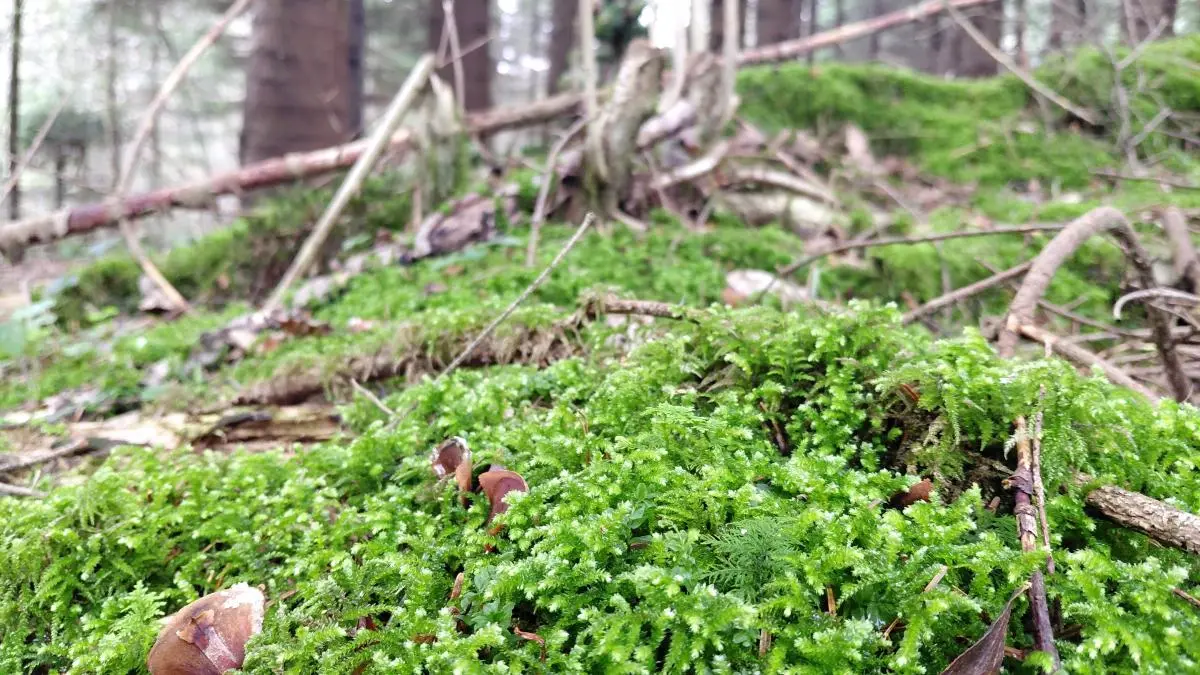
British gardening experts recommend treating your patio with regular laundry detergent by December to get rid of moss. Moss covers the pavers with a green film, making them dangerously slippery and, according to experts, shortening the pavers’ lifespan by trapping moisture that gradually erodes the base, reports the Mirror.
Experts at Green Thumb emphasize that fall is the best time to tackle this task. Short days, constant dampness, and a lack of sunlight create ideal conditions for moss, while fallen leaves trap moisture, leave stains on the tiles, and encourage a new wave of growth.
You shouldn’t delay for another reason: as frosty winter mornings set in, the pavers become much more vulnerable. Shaded corners and north-facing patios, which never dry out completely, suffer the most. The powder is offered as an alternative to expensive, harsh chemicals and the time-consuming work of using a pressure washer. This life hack is being shared more and more often by social media users.
Test it on a small area and wait 10 minutes
Tom Clifford of Gardenstone explained to Ideal Home why laundry detergent works so well for garden problems.
“Laundry detergent is an effective and affordable cleaning agent for removing stains and cleaning garden pavers. The chemicals in laundry detergent effectively kill moss and algae on the surface of the tiles without damaging them,” notes Clifford.
Before treating the area, the expert advises moving the furniture out and sweeping the patio. Dissolve a small amount of detergent in a large bucket of warm water and first apply it to just a small section to ensure the surface isn’t damaged. Leave the mixture on for 10 minutes, then scrub it into the tiles with a soft brush, working from the corners toward the center. Finally, rinse the surface with clean water, directing the water toward the nearest drain.
However, this method isn’t suitable for every type of surface. You should also keep the detergent away from flower beds, as it can harm plants.
“Some natural stones, such as limestone, can be particularly delicate and react negatively to the chemicals in laundry detergent,” Clifford warns. For limestone slabs, he recommends a very dilute solution of dish soap in warm water.
Is it worth fighting moss at all?
The Royal Horticultural Society of Great Britain takes a different view on the harm caused by moss. The organization believes that moss, algae, and lichens do not damage the surfaces on which they grow but instead support the garden’s biodiversity. They recommend removing them only in areas where people walk, as it’s easy to slip on a slippery surface, the RHS emphasizes.
The Society is convinced that chemical treatments are unnecessary. It is sufficient to regularly scrub the surface with a stiff brush, remove moss from joints with a sharp tool, trim plants that shade the area, improve drainage, and clear leaves from drains. However, if conditions remain unchanged, the buildup will return anyway.