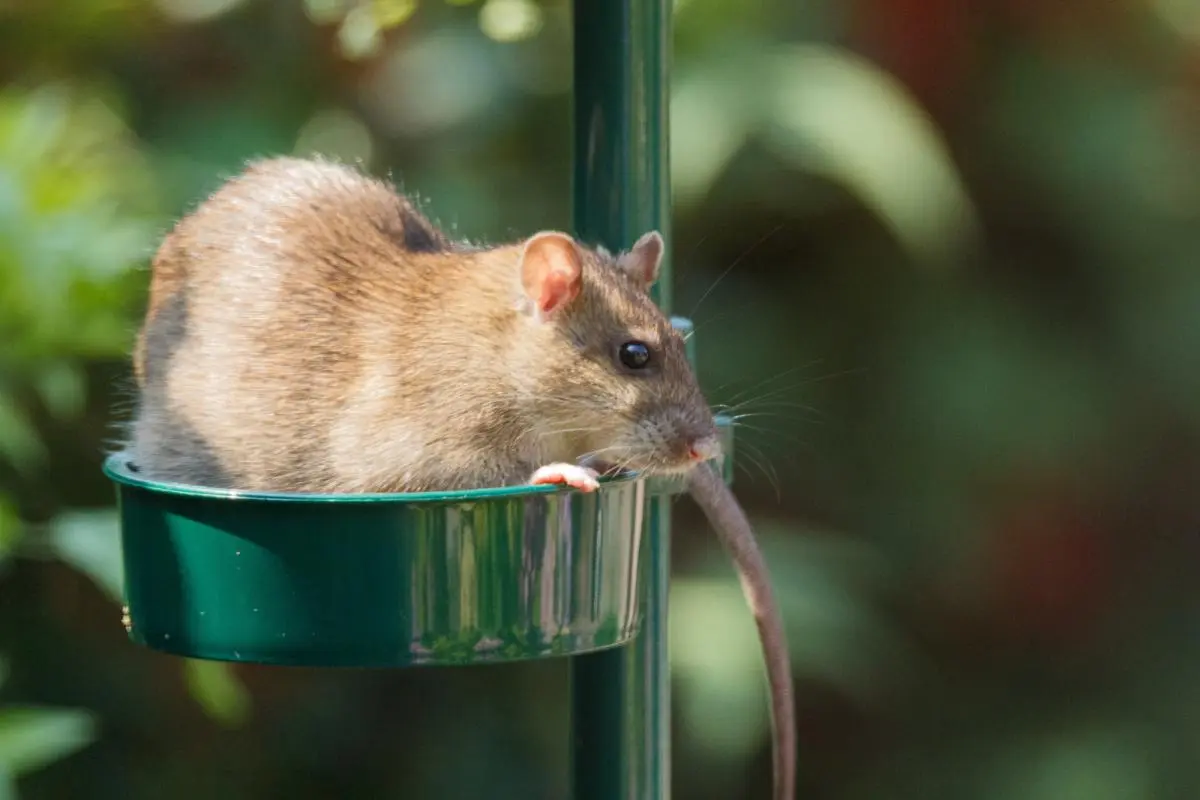
Rats begin building nests en masse in garden sheds in late November, when nighttime temperatures drop rapidly and the rodents seek warm shelter. Experts advise taking three simple steps right now to prevent infestations in these structures during the winter, according to Express.
Sheds are particularly attractive to rodents because people rarely go inside them during the winter. When it gets really cold outside, traps are often not enough, and using poison is not recommended: it can harm pets, hedgehogs, foxes, and birds. Helen from Pest Exterminators Essex is convinced that preventing the problem is much easier than dealing with an existing colony.
The expert urges people not to put off dealing with the problem, even if rodents seem like a normal part of the garden.
“Although rats are a common garden pest, they should never be ignored. Rats in a shed can carry diseases and damage property. If left unchecked, they often make their way into the house. Taking swift action protects your space, your health, and your peace of mind,” Helen emphasizes.
Three Steps to a Rodent-Free Winter
First and foremost, remove bulbs, plant seeds, grass, compost, and other potential food sources from the shed, as well as old cardboard boxes that rats use to build nests. If there’s no other place to store them, put everything in metal containers with tight-fitting lids.
The second step is to check for gaps. A hole just 6 mm wide is big enough for rodents, so inspect the doors, vents, and the base of the shed, and seal any openings with metal mesh or steel wool: rats can easily gnaw through plastic or foam. You should also trim back any overgrown vegetation nearby that rodents could use to reach the roof or windows.
If rats have already taken up residence, avoid making a lot of noise while cleaning or moving heavy boxes. Disturbed animals may go looking for another warm place and end up inside your home. In that case, it’s best to contact your local pest control service.
A Vulnerable Spot Under the Floor
Shed owners often overlook the structure’s foundation, warns Sam Jenkinson, a garden building sales expert at Tiger, in a comment to Woman&Home.
“Owners often focus on the shed itself without checking what’s underneath it. Cracks around the foundation, damaged boards, or eroded soil can give rodents a way to get under the structure,” Jenkinson notes.
He advises securing wire mesh around the perimeter of the foundation, burying it in the ground, and replacing cardboard boxes with sturdy plastic or metal containers that have secure lids.
North Lanarkshire Council also recommends raising the shed on bricks: the draft and open space underneath deter rodents. They emphasize that rats’ teeth can gnaw through wood, rubber, and even low-quality concrete, so they advise storing birdseed in galvanized metal containers, according to North Lanarkshire Council.